How to Choose: DIY Pressure Washing vs a Pro
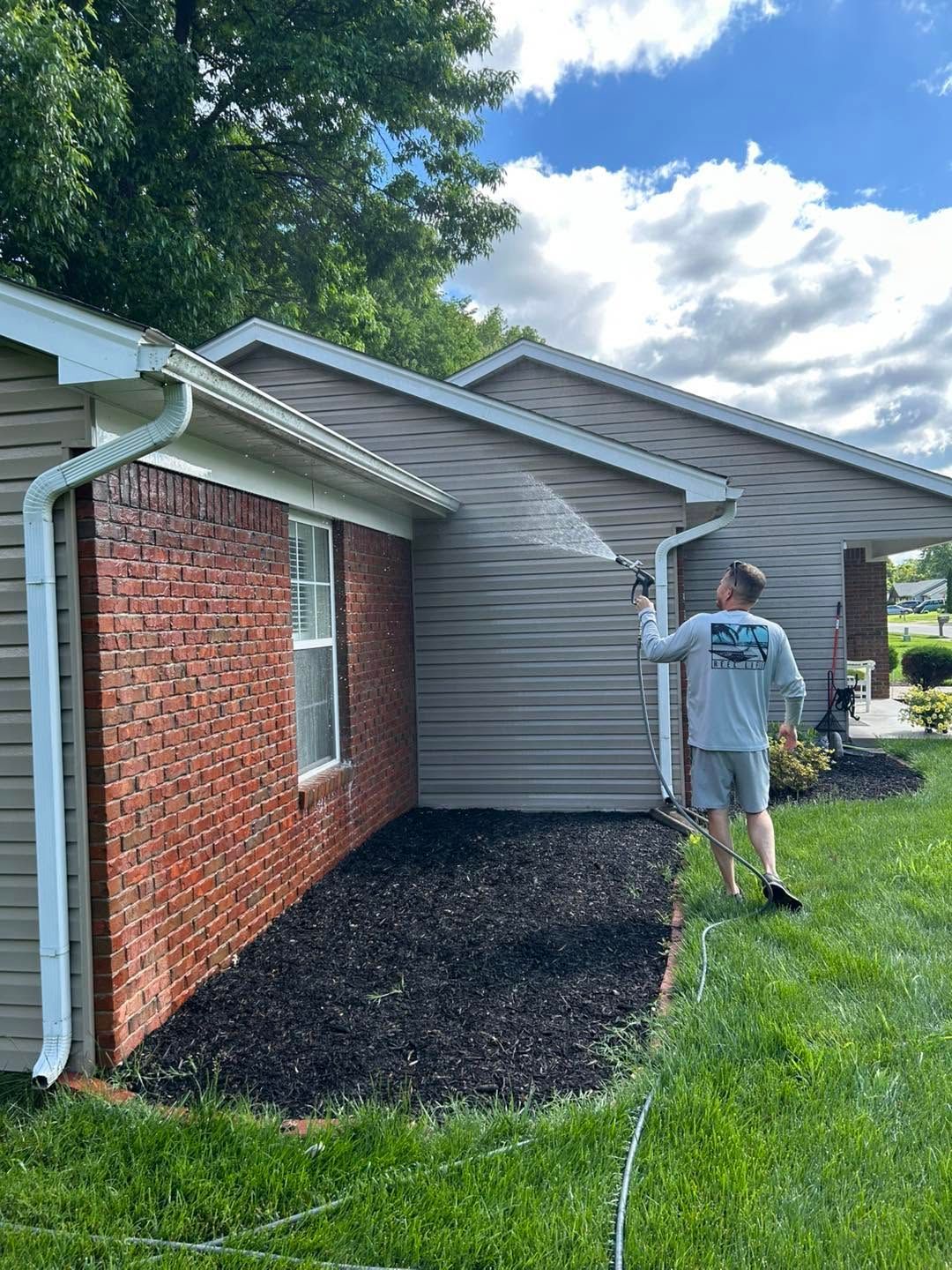
DIY pressure washing vs. hiring a pro comes down to more than the rental price. DIY cleaning may suit small, sturdy surfaces, but mistakes can damage siding, wood, windows, concrete, or roofing. A professional can choose the safer method, finish faster, and help prevent repair costs caused by excessive pressure or incorrect cleaning solutions.
What is the real cost of DIY pressure washing?
The real cost includes more than a pressure washer rental. You may need cleaning solutions, hoses, extension wands, protective equipment, transportation, and several hours of work. If the cleaning goes wrong, the larger expense can be replacing damaged siding, repairing wood, resealing concrete, or fixing broken screens and windows.
For a small patio or durable concrete walkway, DIY pressure washing can be reasonable when you understand the equipment. A home’s exterior is more complicated. Different materials need different pressure levels, spray distances, detergents, and techniques. Using one aggressive setting everywhere is a common—and expensive—mistake.
DIY costs to consider
- Equipment rental or purchase, fuel, hoses, and accessories
- Detergent, protective clothing, goggles, gloves, and footwear
- Your time for setup, cleaning, rinsing, and putting equipment away
- Potential water runoff, landscaping protection, and ladder safety
- Repairs if pressure, heat, or chemicals damage a surface
When can you safely pressure wash yourself?
DIY may make sense for limited, ground-level projects with durable surfaces. Before starting, confirm what the material can tolerate and read the equipment instructions carefully. Keep the spray moving, start with the lowest effective pressure, and test an inconspicuous area first.
Reasonable DIY projects may include:
- Light dirt on a sound concrete sidewalk or driveway
- A small, open patio with no delicate finishes
- Outdoor furniture approved for pressure washing
- Rinsing loose debris from durable masonry
Even then, avoid aiming water at electrical fixtures, vents, outlets, door seals, window edges, or damaged areas. Never use a ladder while operating a pressure washer. The recoil from the wand can affect your balance, and wet surfaces increase the risk of a fall.
Why can too much pressure damage a house?
Pressure does not automatically equal better cleaning. A concentrated spray can remove paint, scar wood grain, force water behind siding, break seals, and chip masonry. It can also drive contaminants deeper into porous surfaces instead of removing them evenly.
Roofing is especially risky. Asphalt shingles can lose protective granules when cleaned with excessive pressure. Water may also enter under shingles or around flashing. That is why many professional roof cleaners use a low-pressure soft-washing process with an appropriate cleaning solution rather than blasting the surface.
For safer roof maintenance, see our roof washing service . For siding, our house washing service explains how soft washing addresses organic buildup without relying on damaging pressure.
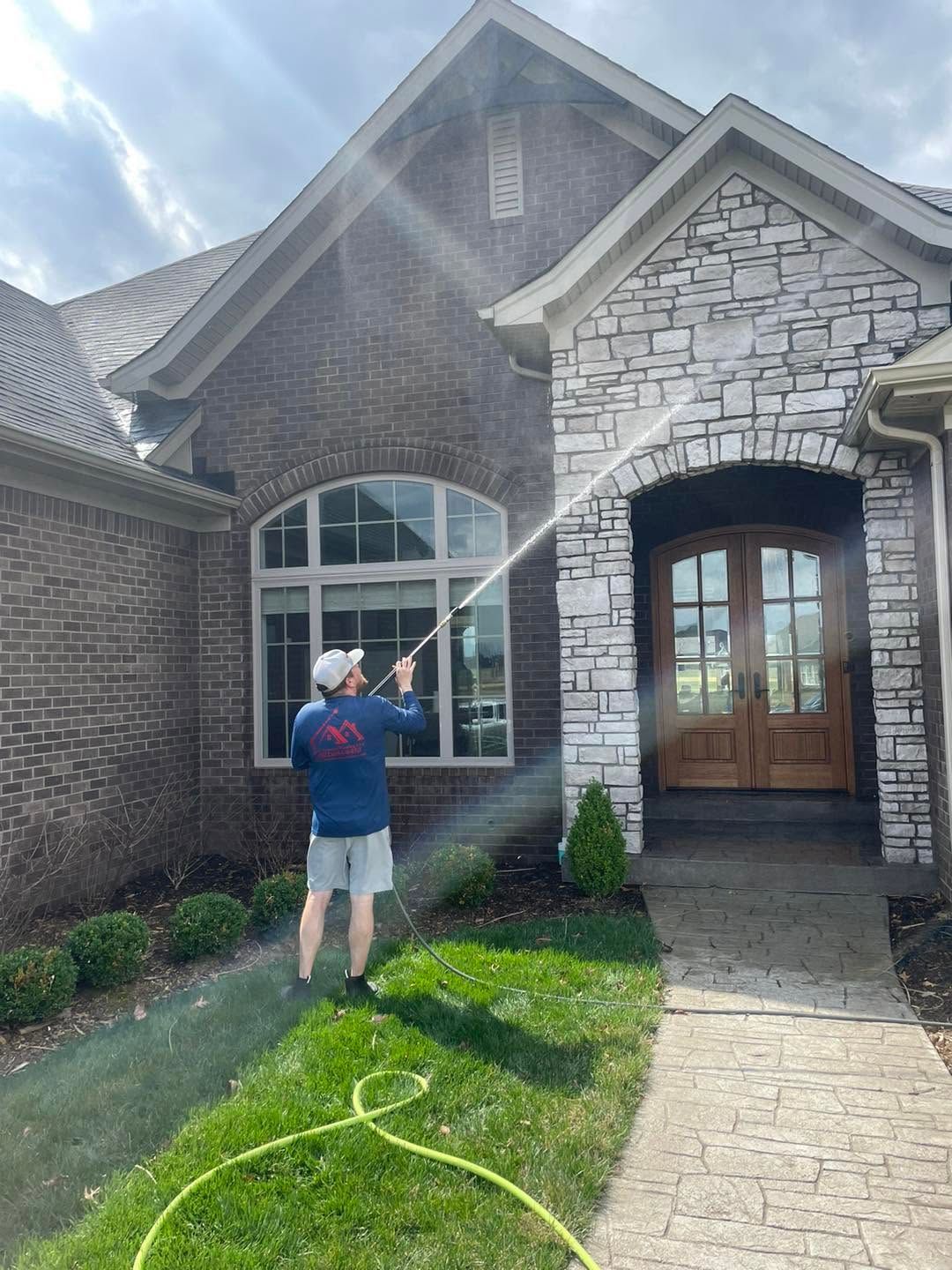
Soft washing versus pressure washing
Soft washing uses a controlled application of cleaning solution and a low-pressure rinse. It is often better suited to siding, roofs, painted surfaces, and areas affected by algae, mold, mildew, or other organic growth. Pressure washing relies more heavily on mechanical force and can be effective on appropriate hard surfaces.
The right method depends on the surface, the buildup, and the desired result—not simply on how powerful the machine is.
| Surface | Common concern | Often appropriate approach | |---|---|---| | Vinyl siding | Water behind panels or surface damage | Low-pressure soft washing | | Asphalt shingles | Granule loss and leaks | Professional roof soft washing | | Wood deck | Splintering and gouging | Controlled cleaning, followed by restoration | | Concrete | Stubborn stains and uneven cleaning | Surface-appropriate pressure and optional sealing | | Windows | Broken seals or damaged screens | Dedicated window-cleaning methods |
If your project involves weathered wood, cleaning alone may not be enough. Deck and fence restoration and staining can help refresh appearance and add protection after proper preparation.
What does hiring a pressure-washing professional include?
A reputable professional should do more than arrive with a machine. They should evaluate the property, identify vulnerable materials, protect nearby plants and fixtures, select an appropriate method, and communicate what the service includes.
Before booking, ask:
- Are you insured?
- What cleaning method will you use on each surface?
- How will you protect landscaping, outlets, windows, and outdoor furniture?
- Is the estimate based on the home, the surface area, or the project scope?
- Do you offer bundled or recurring maintenance options?
AC Pressure Washing LLC is family-owned and operated in Jeffersonville and serves Southern Indiana. The company offers free estimates, quick responses, and exterior cleaning for homeowners, businesses, and property managers. You can review the full range of exterior cleaning services or contact the team to discuss your project.
Which option saves more time?
DIY cleaning can take most of a day once you include pickup, setup, moving equipment, protecting delicate areas, cleaning, rinsing, and returning the machine. Large homes, multi-level surfaces, roofs, and heavily stained concrete add complexity.
A professional crew may complete the work more efficiently because they already have the equipment, products, experience, and workflow. That time savings matters if you are preparing to sell a home, opening a business, hosting an event, or maintaining several properties.
The best comparison is not “rental price versus service price.” Compare the complete DIY cost with the value of your time, the quality of the result, and the risk you are taking on.
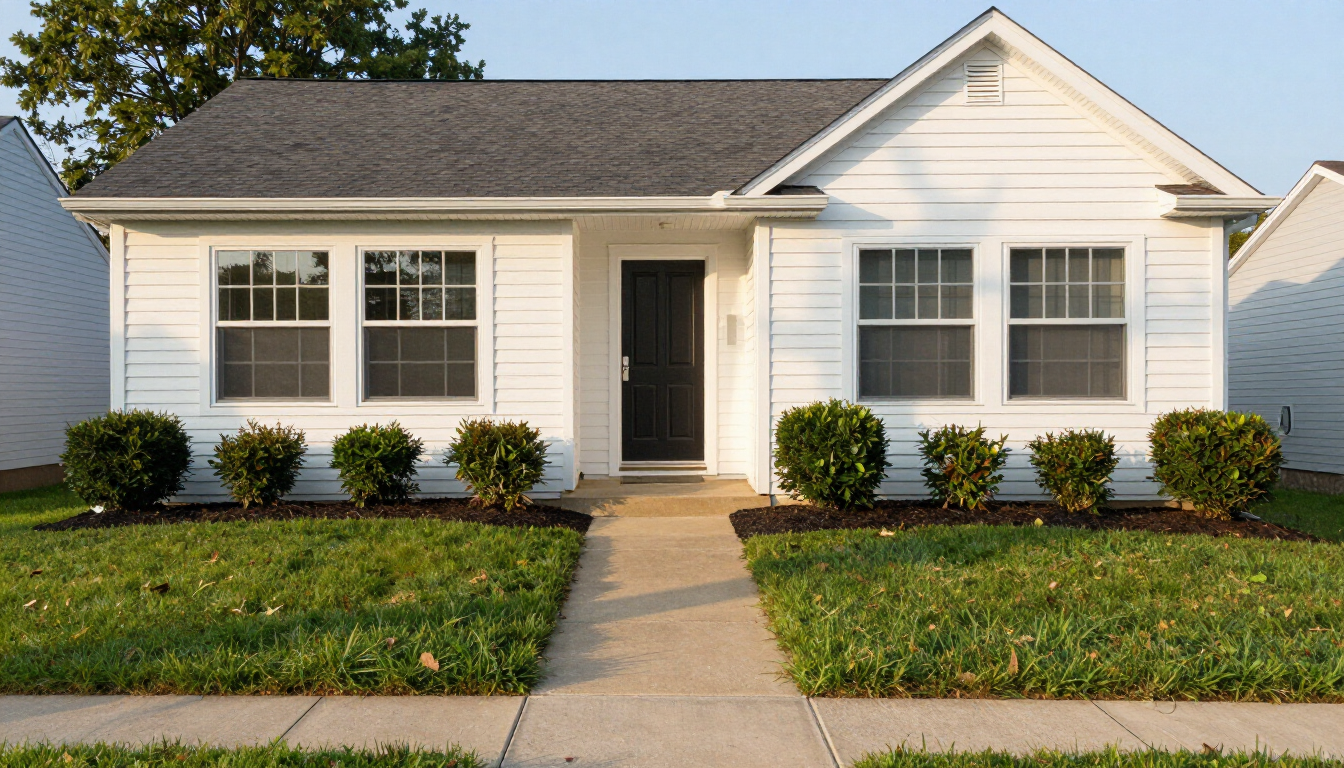
What mistakes make DIY cleaning expensive?
The most common problems are preventable:
- Holding the nozzle too close to siding, wood, or concrete
- Using excessive pressure to remove stains quickly
- Choosing a chemical without checking surface compatibility
- Spraying windows, vents, outlets, or door seals directly
- Ignoring runoff and nearby plants
- Cleaning a roof with high pressure
- Skipping a test area before treating the entire surface
- Working from a ladder or unstable platform
If a concrete surface needs more than cleaning, concrete cleaning and sealing may provide a more complete maintenance solution. Sealing is not right for every surface, so ask about the material and its condition first.
How should you decide between DIY and a pro?
Choose DIY when the project is small, accessible, and made from a durable material you understand. Choose a professional when the work involves a roof, siding, painted or weathered wood, multiple stories, delicate areas, extensive organic growth, or a finish you cannot afford to damage.
A professional is also the safer choice when you lack time, proper equipment, or confidence in chemical handling. For windows, specialized tools and technique can help avoid streaks, damaged screens, and broken seals; learn more about window cleaning .
Key takeaway
DIY pressure washing can be a practical option for small, low-risk hard-surface projects, but the cheapest quote is not always the lowest total cost. Pressure, chemicals, water, and ladders can create expensive problems when they are used incorrectly. Hiring a professional is usually the better choice for roofs, siding, wood, windows, multi-story areas, and heavy organic buildup. Evaluate the surface, the risk, your available time, and the complete equipment cost before deciding. When in doubt, request a free estimate and compare the recommended method—not just the price.
